
Panama has become one of the most attractive destinations for expats, retirees, and investors looking for a stable economy, business-friendly policies, and a high quality of life. Whether you’re considering relocation, a second home, or a real estate investment, the country offers significant advantages, but there are also challenges to be aware of before moving.
If you’re considering living in Panama, understanding the pros and cons will help you make an informed decision. This guide covers everything from tax benefits and residency options to cultural differences and infrastructure challenges.
The Pros of Living in Panama
1. Strong Economy and Business Opportunities
Panama’s economy is one of the most stable in Latin America. The country’s U.S. dollar-based economy, strong banking sector, and pro-business policies make it an excellent place for entrepreneurs and investors.
- No foreign ownership restrictions on real estate – You can buy property with the same rights as Panamanian citizens.
- Low corporate and personal tax rates – Panama does not tax foreign-earned income.
- Panama Canal and global trade – The economy benefits from international commerce and a growing logistics industry.
Many expats move to Panama to diversify their investments while enjoying a favorable tax and regulatory environment.
2. Attractive Residency Programs
Panama makes it easy for foreigners to gain legal residency, especially for those looking to invest. The Panama Qualified Investor Visa allows individuals who invest a minimum of $300,000 in real estate to receive residency within 30 days.
Other residency programs include:
- Friendly Nations Visa – Ideal for U.S. and Canadian citizens seeking a fast-track residency process.
- Pensionado Program – One of the world’s best retirement visas, offering healthcare, entertainment, and travel discounts.
- Self-Economic Solvency Visa – Available for those who make a fixed-term investment in Panama.
These options make it easy for business owners, retirees, and investors to establish long-term residency with minimal bureaucracy.
3. Affordable Cost of Living
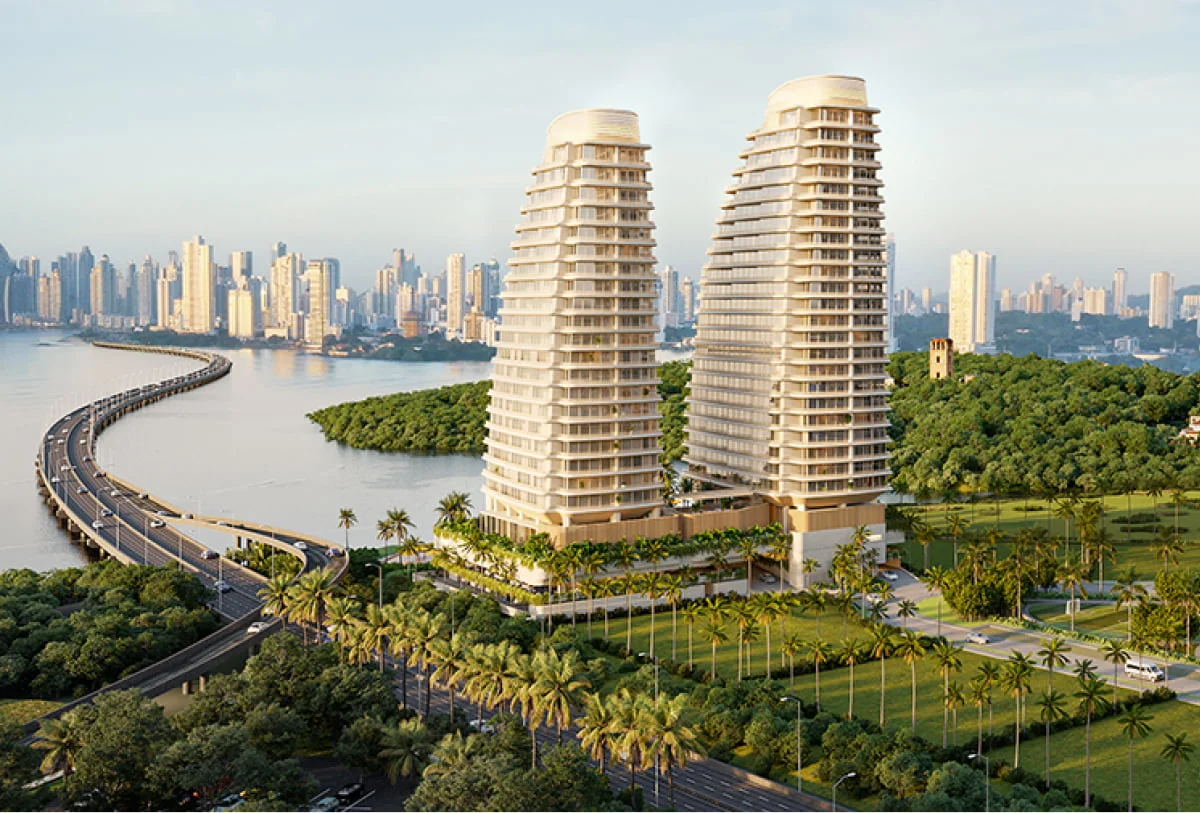
Compared to North America and Europe, the cost of living in Panama is significantly lower. While luxury living in Panama City can be expensive, most expats find that housing, healthcare, and daily expenses are much more affordable.
- Real estate offers excellent value – Panama offers better pricing than the U.S. or Canada, whether buying a luxury condo or a beachfront villa.
- Utilities and services are cost-effective – Internet, electricity, and healthcare are more affordable than in many Western countries.
- Dining and entertainment are inexpensive – Local markets, restaurants, and services offer incredible value.
Panama allows you to live comfortably at a lower cost, especially if you choose locations outside the capital.
4. Tax Advantages for Expats and Investors
Panama’s tax laws are designed to attract foreign investment. Some key benefits include:
- No taxes on foreign-earned income – If you earn income outside Panama, it is not subject to Panamanian taxes.
- Low property taxes – Many new properties have tax exemptions for up to 20 years.
- No estate or inheritance tax – Wealth transfers are simpler and more efficient.
Panama is an appealing option for business owners and investors looking to minimize their tax burden.
5. Modern Infrastructure and Connectivity
Panama offers first-world infrastructure, especially in Panama City and key expat destinations.
- High-speed internet and reliable utilities – Strong digital infrastructure supports remote work and global business operations.
- World-class healthcare – Private hospitals offer high-quality medical care at a fraction of U.S. prices.
- International connectivity – Tocumen International Airport provides direct flights to major U.S. and European cities.
Whether you’re relocating for business, investment, or lifestyle, Panama makes it easy to stay connected.
6. Beautiful Climate and Natural Diversity
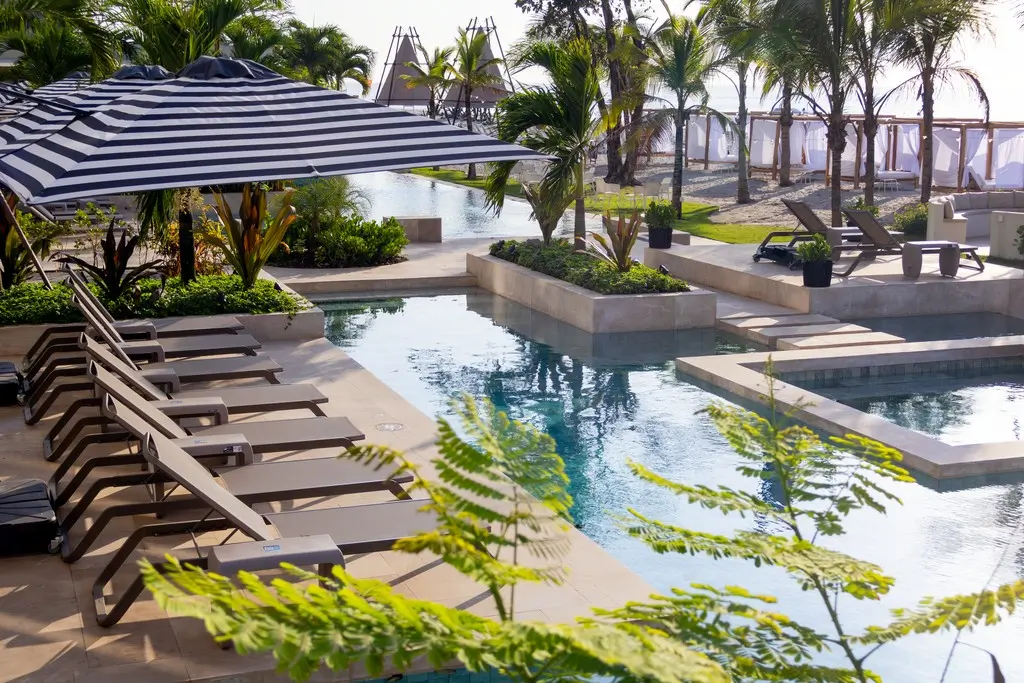
Panama’s tropical climate offers warm weather year-round, with various landscapes to explore.
- Beaches, mountains, and rainforests – You can enjoy a beachside lifestyle or escape to the cooler highlands.
- No hurricanes or natural disasters – Panama is outside the hurricane belt unlike many tropical locations.
- Outdoor activities – From fishing and boating to hiking and birdwatching, there’s no shortage of ways to enjoy the outdoors.
Many expats are drawn to Panama for its natural beauty and outdoor lifestyle.
The Cons of Living in Panama
1. Bureaucracy and Government Processes
While Panama is business-friendly, dealing with government agencies can be frustrating.
- Residency applications can take time – While programs like the Qualified Investor Visa offer fast processing, others involve multiple steps and delays.
- Real estate transactions require due diligence – Working with a trusted legal team to verify titles and contracts is crucial.
- Paperwork and processes move slowly – Patience is necessary when registering a business or applying for permits.
- Hiring experienced professionals can help navigate the legal system smoothly.
2. Language Barrier for Non-Spanish Speakers
While English is spoken in business and expat communities, most of Panama’s daily life operates in Spanish.
- Government offices require Spanish communication.
- Local businesses and services may not have English-speaking staff.
- Learning basic Spanish helps with day-to-day living.
- Many expats choose to take Spanish lessons to make daily interactions easier.
3. Unpredictable Traffic and Driving Culture
Panama City’s traffic can be chaotic, especially during peak hours.
- Drivers often ignore traffic rules – Expect aggressive driving and limited enforcement.
- Public transportation is improving but not perfect – Taxis and buses are available but may not be the most comfortable option.
- Many expats hire private drivers or use ride-sharing apps like Uber.
- Traffic is less of an issue outside the city, and many expats opt for personal vehicles.
4. Weather and Humidity
Panama’s tropical climate is excellent for warm-weather lovers, but the humidity and rainy season can be challenging.
- The rainy season lasts from May to November – Some areas receive heavy rain for months.
- Humidity can be intense – Those not accustomed to tropical weather may need time to adjust.
- Air conditioning is a necessity – Most expats rely on A/C for comfort, which can increase electricity costs.
- For those who prefer cooler weather, the mountain regions like Boquete offer a milder climate.

Is Moving to Panama Right for You?
Panama offers significant advantages for expats, business owners, and real estate investors, but weighing the pros and cons before moving is essential.
Best for:
- Investors looking for stable, high-value real estate opportunities.
- Business owners seeking low taxes and a business-friendly environment.
- Retirees looking for affordable healthcare and residency benefits.
- Digital nomads and entrepreneurs who want connectivity and lifestyle freedom.
It may not be ideal for:
- Those who dislike humidity and tropical weather.
- Expats who are unwilling to adapt to Spanish-speaking environments.
- People expecting fast government processes or rigid organization.
Get Expert Guidance on Moving to Panama
Whether you’re looking to invest in real estate, secure residency, or relocate permanently, Panama offers stability, profitability, and an excellent quality of life.
Contact our International Sales expert, Kiley Herold, for expert advice on moving, living, and investing in Panama.