
Panama often ranks high on lists of the best countries for expats and the best places to relocate or retire. While it’s long been a popular destination for American retirees, many professionals, young couples, and others from the U.S., Canada, and elsewhere have been making the move to this small Central American country that offers many benefits.
While there is a long list of reasons to consider moving to Panama, including warm weather year-round, stunning and diverse scenery, friendly people, and a wealth of things to do, living in Panama isn’t for everybody. Some make the move only to find it’s not what they’re looking for, and that’s the last thing we’d want to happen to you.
These are some of the important factors to consider to help you make the best decision based on your situation, requirements, and interests.
What If I’m Single?
Many singles move to Panama thanks to its affordability and higher-quality lifestyle, but it’s essential to choose a destination that will fit your budget and offer the social life and amenities that you’re looking for.
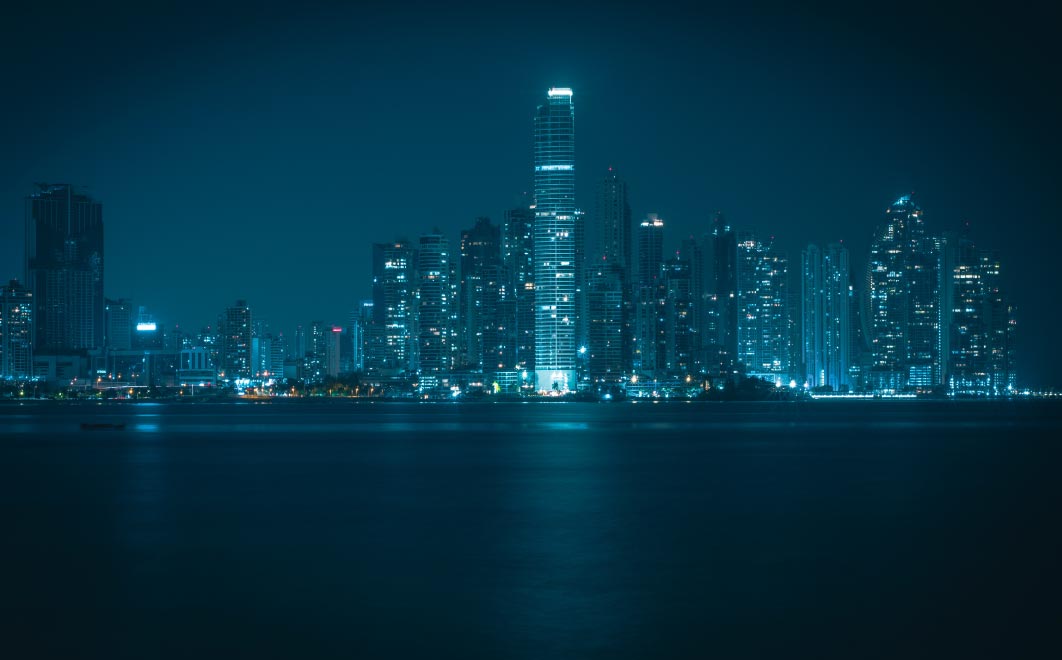
Panama City offers a buzzing nightlife that includes live music at multiple venues every night of the week. There are expat get-togethers, activities organized specifically for singles, and a wide range of classes and lessons that make meeting like-minded people on topics like photography, cooking, and salsa easier. When you want to escape the hustle and bustle, the white beaches of Punta Chame are just a 50-minute drive away. Many singles living in Panama City enjoy traveling on the weekends to mountain towns for a cool respite from the heat, too.
What If I Have a Family?
It’s one thing if you’re considering moving alone, but if you have a family, it can be challenging to relocate to another country. The good news is that Panama offers a lot for families with children. It’s safe overall, and the family-oriented culture provides a healthy atmosphere for raising children. With a mild tropical climate, children can play outdoors and enjoy various activities like hiking, biking, swimming, and snorkeling. Imagine no more being stuck inside, glued to the TV or video game.
If you have school-aged children, Panama offers great options for schools and includes many private international schools like Balboa Academy, ISP, and The MET, so you won’t have to alter their curriculum drastically, and it allows the children to easily integrate into US, Canadian, or European Universities when they graduate. They’re comparably quite affordable and classes are taught in English, providing a big advantage over many other expat destinations.
How’s the Cuisine?
Panama is one of the most diverse countries in Latin America, resulting in a rich diversity of cuisine. The culinary scene is an assortment of gastronomic cultures that make this country a fabulous adventure for the taste buds. If you move here, you won’t have to eat chicken stew (sancocho de gallina) daily. While it is the perfect meal for nearly every occasion as the country’s signature dish (and a great hangover cure), you’ll find authentic Asian, including Chinese food like jampao and shumai, Afro-Caribbean, Greek, Lebanese, and more.
The cuisine is typically a fusion of Latin, indigenous cultures, Asian, and Afro-Caribbean, but there are plenty of American restaurants serving great burgers, BBQ, and more. Thanks to the many Canadians who’ve decided to call Panama home, you might even find a slice of Canada here.
Beaches, Mountains or City?
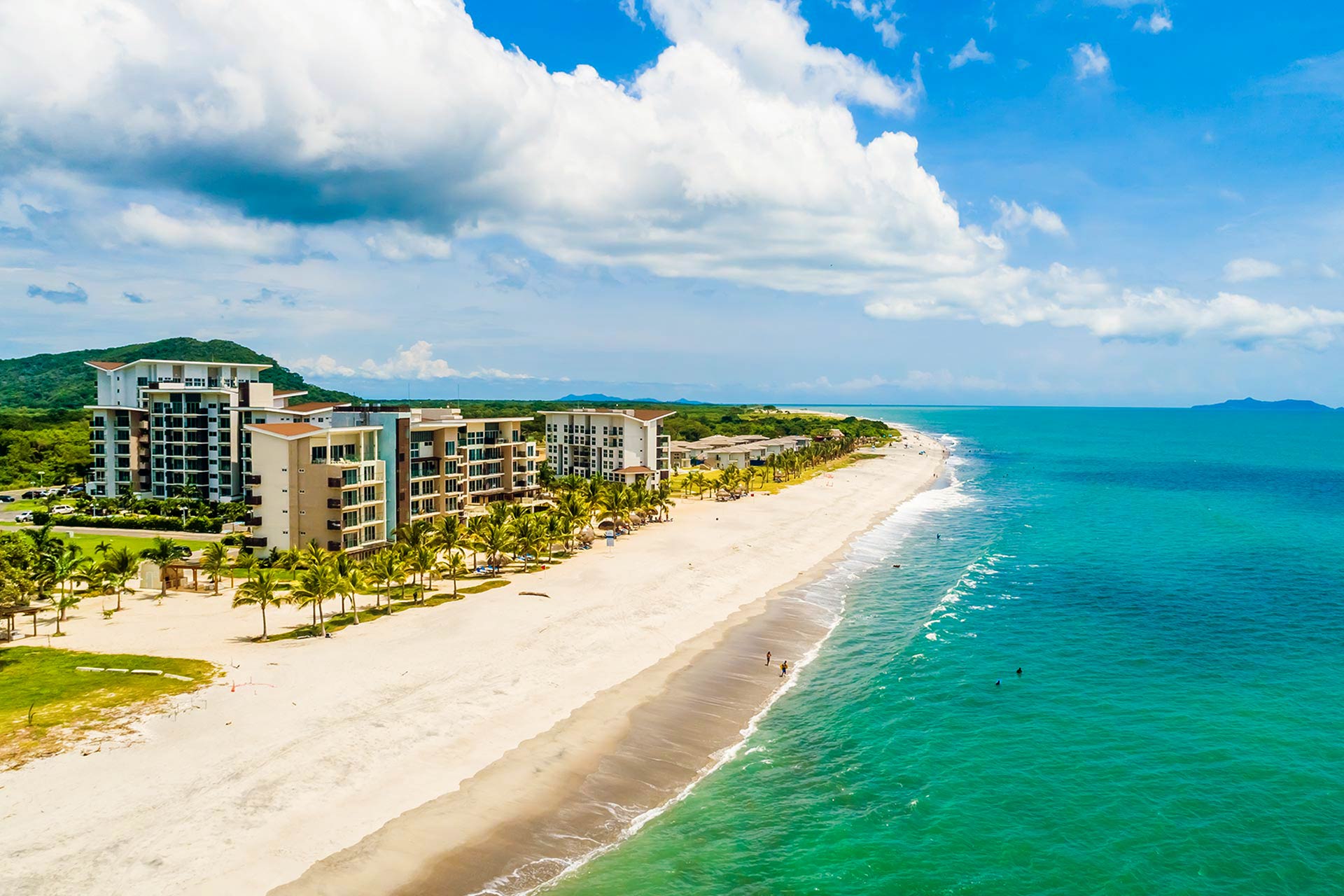
While many come to Panama to soak up the sun and the sand, if you’re the kind of person who wants to enjoy city attractions, mountains, and beautiful beaches, you’ll find it all here. This may be a small country, but the terrain is diverse, providing something for everyone within a short drive.
How’s the Healthcare?
Healthcare in Panama is high-quality—so high-quality and much more affordable than costs in the U.S., Canada, and European countries—that it’s becoming one of the most popular destinations for medical tourism. There are many highly experienced English-speaking physicians who have been trained outside of Panama and speak English, along with excellent hospitals.
Hospitals in Panama City include facilities affiliated with the renowned Cleveland Clinic, John Hopkins Medicine International, Tulane Health Science Center, and Miami Children’s Hospital.
Is Spanish Language Fluency a Must?
While English is widely spoken here, you’re likely to find yourself in situations where knowing at least some Spanish will be beneficial. Areas such as Boquete and Coronado have a high concentration of English-speaking expats, making it possible to get by without learning much Spanish. Still, there will be times when it will be more comfortable to understand and speak at least the basics.
Learning another language is much easier when you’re immersed in it, which can be a big benefit of moving to Panama. It will also help endear you to the locals and allow you to develop more friendships.
What About the Traffic?
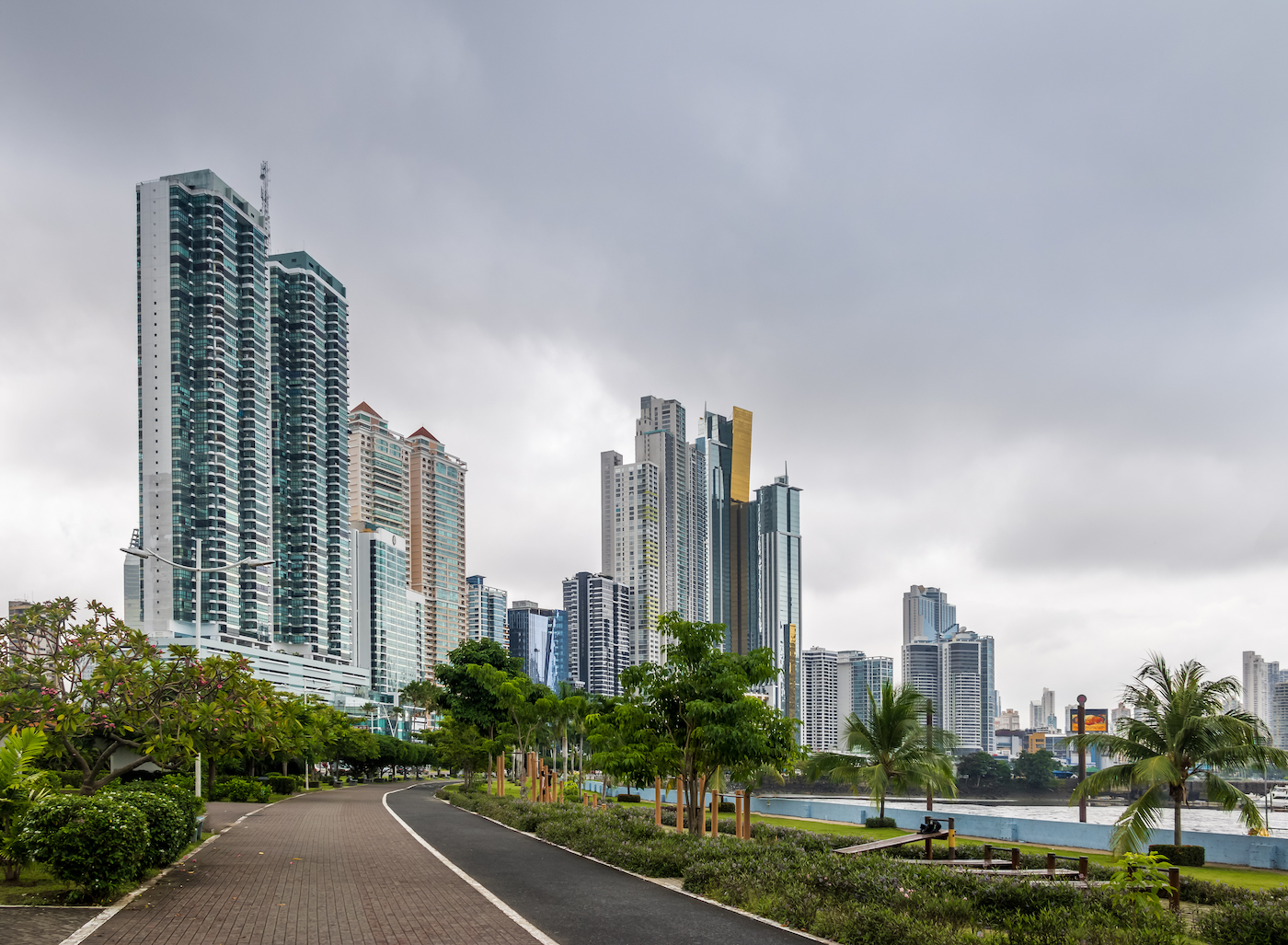
While there is a long list of positives, traffic (for the time being) is not one of them. Efforts to improve and enhance infrastructure are underway to help ease traffic, such as a new bridge and road expansions. Additionally, the Panama Metro is currently under construction throughout Panama. However, for now, you’ll need to be prepared for heavy traffic congestion, especially during commute hours and inclement weather. Uber makes getting around the city easy and cost-effective; you can typically get anywhere for between US $3-$7.
How Convenient is it To/From the U.S.?
Another benefit of moving to Panama is that it’s incredibly accessible. It is just a few hours of flight time from the U.S. via three international airports, including direct flights to/from all the major hubs and Panama City.
There are nonstop flights between Panama City and Los Angeles, Miami, Orlando, Washington, DC, Atlanta, Houston, Dallas/Fort Worth, Chicago, Newark, and New York City (JFK).
A Fast- or Slow-Paced Life?
While Panama City is a near first-world metropolitan city, depending on who you are interacting with – there is still something referred to as the mañana concept in Panama and most other Latin countries. While the word translates to tomorrow, it has another meaning here as an understanding that life happens and, in the tropics, it usually happens at a slower pace. When you get outside of Panama City, everything is more relaxed here, with the realization that life is meant to be lived and that whatever needs to be done can be done tomorrow.
Quality of Life
With that slower pace of life comes less stress. And, when combined with all of the sunshine, saltwater, fresh mountain air, and opportunities to get active outdoors and socialize with friendly people, you can enjoy a healthier, happier, higher quality of life in Panama.
Sources:
https://www.weforum.org/agenda/2022/02/best-places-to-retire-list/
https://www.health-tourism.com/medical-tourism-panama/
https://www.countryreports.org/country/Panama/traffic.htm
https://www.anywhere.com/panama/travel-guide/getting-here