
Panama’s infrastructure is among the best in Latin America, with the Panama Railroad, a network of roads and highways, more than 100 domestic and international airports, and the Panama Canal. As the crossroads of trade for the Americas and a maritime and air transport hub, the importance of infrastructure is highly emphasized here.
Panama’s Infrastructure Today
Panama City and the surrounding area have high-standard infrastructure, reliable phone service, Internet, and cable TV. But that doesn’t mean they’ll work like they do back home. Occasionally, there are power outages, the water may get turned off for a few hours, and the Internet may not be as fast due to bandwidth availability. Besides those hiccups, the capital and its suburbs are generally very reliable for those services.
The quality of roads can vary from street to street, but they are regularly maintained. The two main roads, Norte (North) and Sur (South), running the country’s length from Panama City to the Caribbean coast and ending at Colón, are in good condition. However, due to the increasing number of cars on the roads, traffic in Panama City can be an immense frustration. In the country’s interior, roads other than the main highways are often unpaved and are generally not maintained as frequently… and the rainy season can take a toll on them.
Outside of Panama City and larger towns like Coronado, Santiago, Boquete, and Pedasi, there are no cell towers, which means cell reception can be intermittent. The quality and availability of the Internet are also not quite up to par.
Upcoming Infrastructure Improvements and Additions
With easy visa requirements and generous tax breaks for those who want to set up a business or hire employees, Panama is attracting more and more multinationals looking for a friendly regional base. For those considering the same, the good news is that recent government initiatives include plans to build new roads and improve current roads, metro rails, and other infrastructure. Panama has learned a lot by following Singapore’s model. Many projects have already gotten underway, with a wealth fund created and billions invested in infrastructure.
Tocumen Airport Terminal
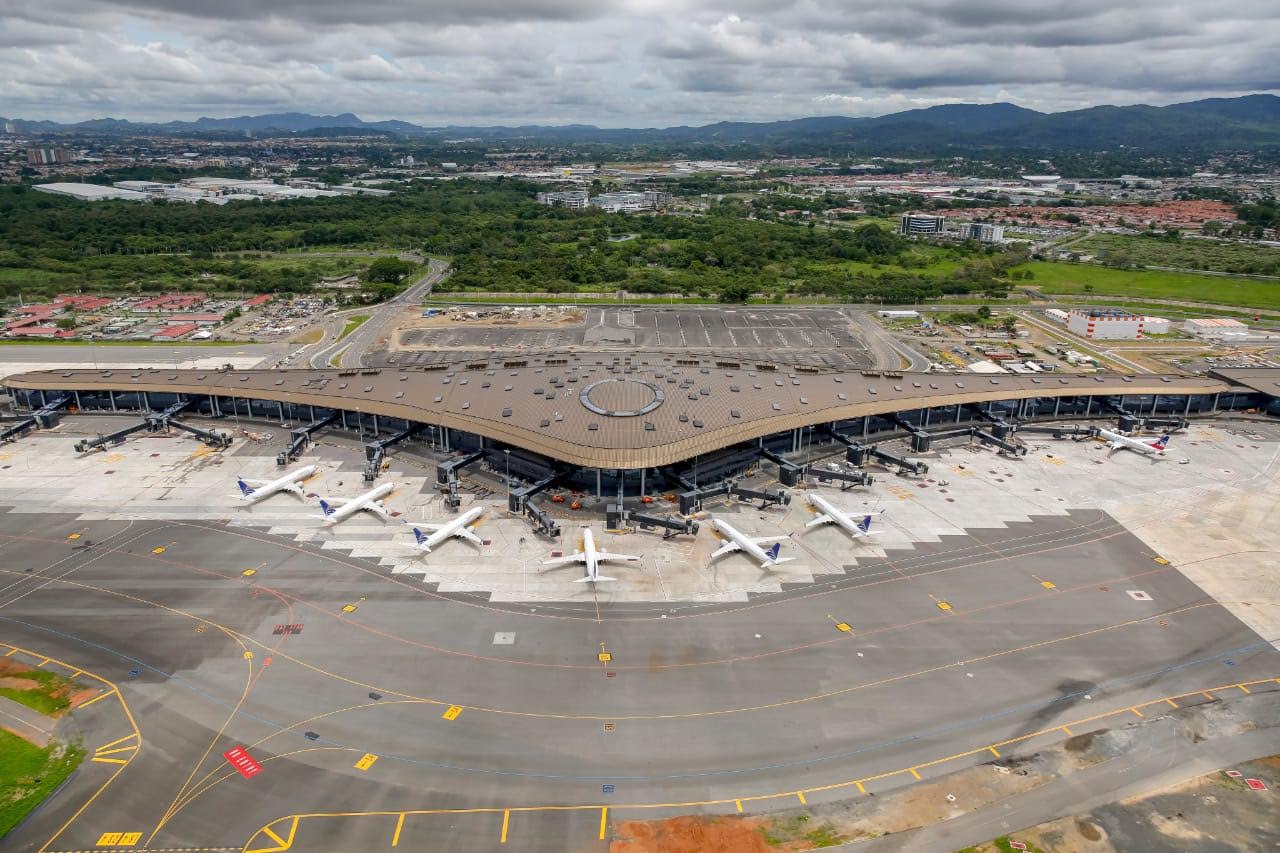
Panama’s largest airport is Tocumen International Airport in Panama City, which has flights to more than 90 cities. The country has over 100 airports, and its location between North and South America helps it serve as a critical hub for connecting flights between the continents. The recent opening of Terminal 2, which covers some 116,000 square feet, increased passenger capacity from 5.8 million passengers to 15 million.
Most importantly, travelers have noted the multiple improvements to the passenger experience, including lots of natural light, a new customs and immigration area, and a new and stylish Copa Airlines Club. The club includes an exhibit of traditional Panamanian hats, a bar and food service area, showers, and a business center, with a total capacity for 420 guests.
The Costanera

One of the major road projects underway is the expansion of the La Costanera Highway to the Port of Vacamonte. It will consist of a four-lane road with sidewalks, bike paths, and overpasses, bringing travelers almost all the way to the beaches.
This project will also make it easier to reach Bayside, with its apartments, semi-detached houses, and single-family homes, which all include access to pools, a beach club, a beach bar, sports courts, restaurants, and more. Residents have access from the Inter-American highway and the Arraijan-Chorrera highway, as well as from the Via Costanera, which will soon connect the entire beach corridor.
Metro Lines

Panama boasts the first metro system in Central America, and it is currently under construction. Line 3 is the largest public infrastructure project in the country since the Panama Canal. The 21-mile-long monorail line is being developed as part of the metro project, with the first phase connecting Albrook to the Ciudad del Futuro sector. The second phase extends it to La Chorrera. Approximately 20,000 passengers will be served by the initial phase during peak intervals, and the second phase is projected to serve some 32,000 commuters by 2050.
A New Bridge
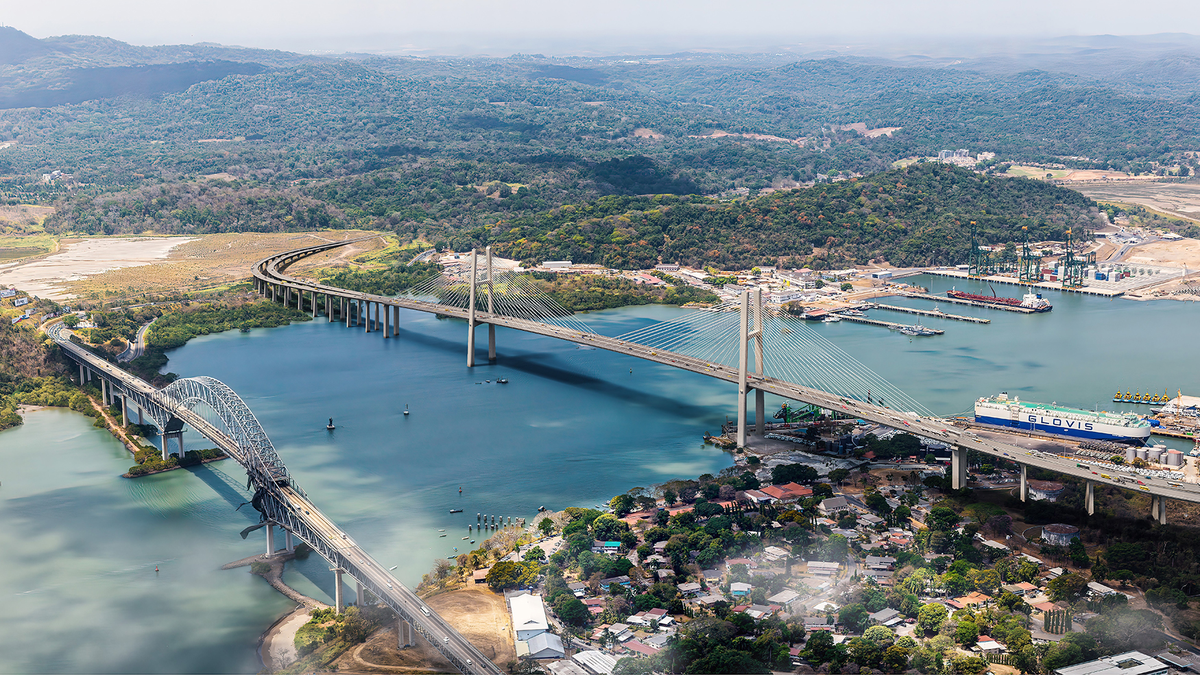
While it’s easy to get to the beaches from Panama City, currently a 50—to 60-minute drive, a new bridge will make accessibility quicker and even easier to beautiful Playa Caracol, the closest to the capital in Punta Chame. The $1.4 billion project will alleviate traffic congestion on the Bridge of the Americas and the Centennial Bridge, benefiting over a half-million residents using this bridge to work in and out of Panama City daily.
Cruise Ship Terminal Opening
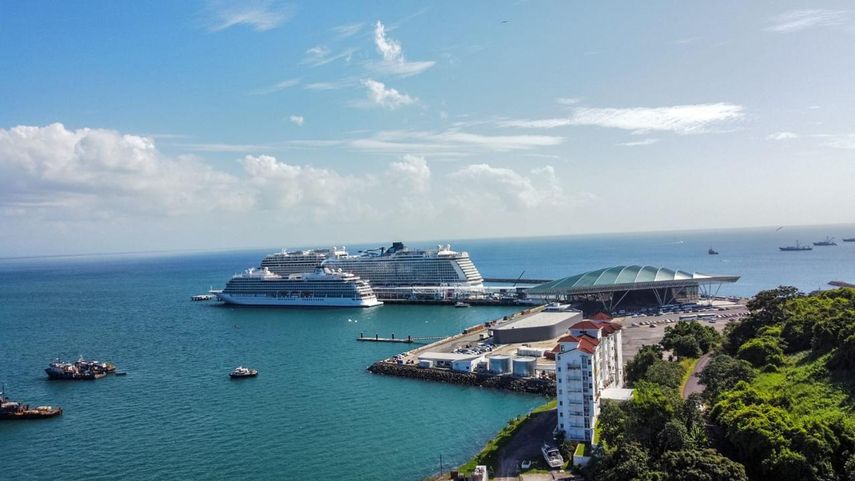
A new cruise terminal, Fuerte Amador, is strategically located in Amador Causeway. The project began in 2017, and while it was delayed because of the COVID-19 pandemic, it’s estimated to be at 90 percent completion and finished by 2023. Just nine miles from the center of Panama City, it will be convenient for tourists and residents alike, with the highest quality and safety standards and a capacity of 5,000 passengers.
Panama Convention Center

The Panama Convention Center is a modern convention center that replaced the ATLAPA Convention Centre. Just a 10-minute drive from the heart of Panama City, it’s the most technologically advanced and most extensive in the region, with a capacity for up to 23,000 guests. Strategically located on Amador Road, along the banks of the Panama Canal, it includes 1,1715 parking spaces and stands out with its modern design.
Road Expansion Towards Chorrera
Millions were approved for road expansion, including the widening and extension work on the Panamerican Highway between Chorrera and Santa Cruz will be widened to include three lanes in both directions, cutting congestion and boosting capacity.
Sources:
https://www.bnamericas.com/en/news/the-latam-countries-with-the-most-competitive-infrastructure
https://content.govdelivery.com/accounts/USITATRADE/bulletins/28402b0
https://www.fosterandpartners.com/projects/tocumen-international-airport/
https://www.railway-technology.com/projects/panama-metro-line-3/
https://www.tourismpanama.com/meetings-and-events/venues/panama-convention-center/
https://www.worldhighways.com/wh8/news/panama-road-widening-work