
Panama ranks high among expats of all types. Regarding the best countries in the world to retire, it was recently named No. 1 in a 2025 index of the top 10 retirement destinations based on factors like retirement benefits, climate, healthcare, and cost of living.
Combined with an abundance of striking scenery that includes picturesque beaches, lush rainforests, and a warm tropical climate, it’s no wonder many are choosing Panama for relocation and investment. Odds are, you’ve at least heard someone talk about their dreams of moving to this beautiful country or have seen the enticing images of its stunning landscapes, but if you’re still asking, “Why Panama?” you’ll want a more in-depth look to better understand its many delights.
Stable Economy
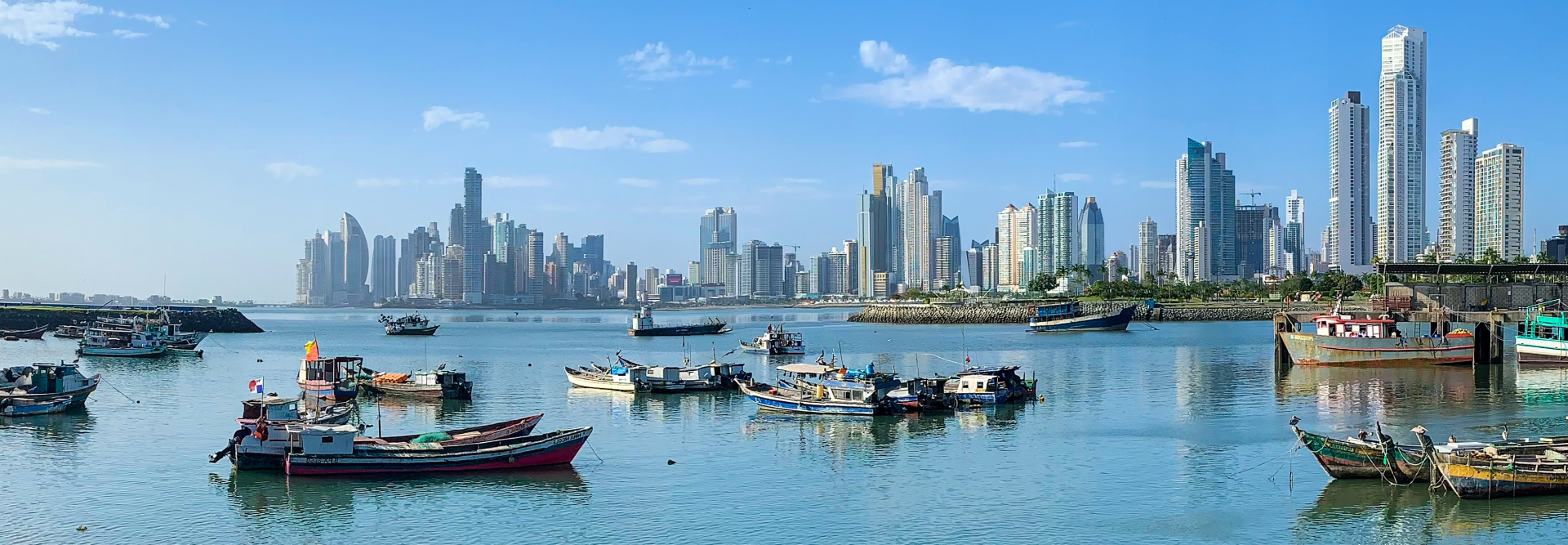
One of the most striking economic and political success stories over the past 30 years, Panama is the region’s fastest-growing economy and has remained a stable democracy. After the toppling of dictator Manuel Noriega, who led the way for Guillermo Endara to win the presidential election in 1989, democracy took root soon after. Today, it remains a peaceful, stable democracy with no super-polarized political parties.
Panama was growing at four times the regional average before the COVID-19 pandemic. Between 2014 and 2019, its GDP grew at an average rate of 4.6 percent, with services being the primary driver, contributing to nearly two-thirds of the country’s increase in GDP. While the pandemic had adverse effects, the economy quickly rebounded in 2021 with the GDP growing by over 15 percent. Increased movement at the Panama Canal, a vital conduit for global commerce since opening in 1914, higher copper production, and a significantly higher number of airport passengers all play a key part. Tourism is also a factor, with solid performance in the hotel and restaurant industry, transport, communications, and real estate.
The Dollar
Panama has used the US dollar since it became a nation in 1903. While the country’s currency unit is called the balboa, it hasn’t been printed for decades. All international transactions are in US dollars, and the currency is also the dollar, avoiding the need to measure the worth of something priced in a foreign currency or concerns over foreign exchange devaluation for U.S. residents.
Safety
According to the Global Peace Index, Panama ranks among the safest countries in Latin America. Panamanians prefer to avoid conflict of all types, with violent crime, including crime involving guns, rare, particularly among foreign tourists. The majority of crime is limited to petty theft. As you would anywhere, it’s important to be extra-vigilant on specific streets of major cities and avoid walking after dark in less-traveled places alone. The areas of San Miguelito, El Chorillo, and Colon should all be avoided.
Healthcare
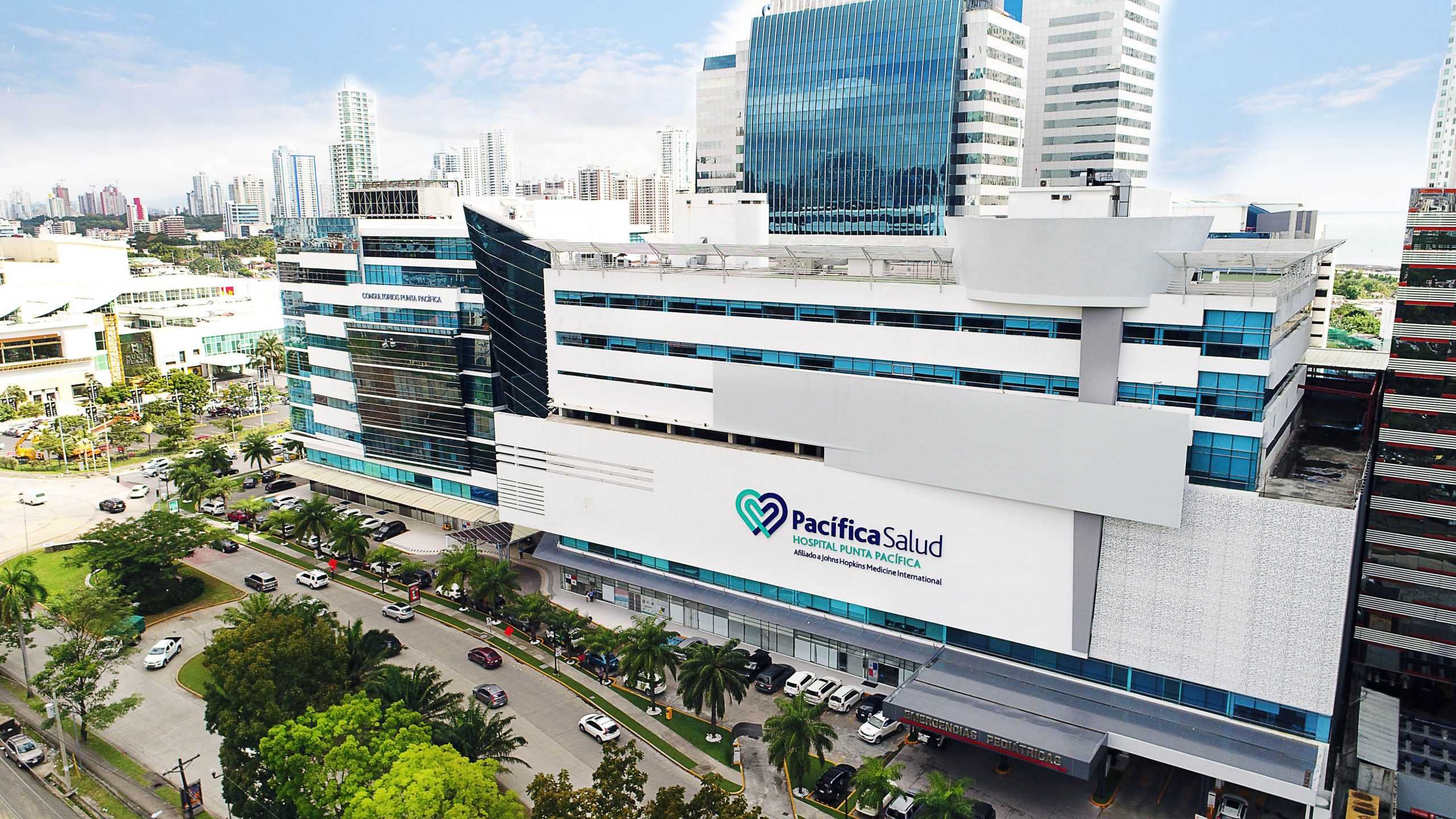
Healthcare in Panama is some of the best in Latin America, with private hospitals and clinics providing high-quality services that often top those in North America. Many English-speaking doctors have extensive training outside the country, including in the U.S. and Europe. Yet regular medical care, hospitalization, and surgeries typically cost less than half of what you’d pay in either place.
Panama City has the best hospitals and medical services, providing superior care using state-of-the-art equipment and technology. Hospital Punta Pacifica is the only hospital affiliated with Johns Hopkins Medicine International in the Latin America and Caribbean region. Other outstanding options include Salud, Centro Medico Paitilla (affiliated with the Cleveland Clinic), the Panama Clinic, and Hospital Nacional.
Climate
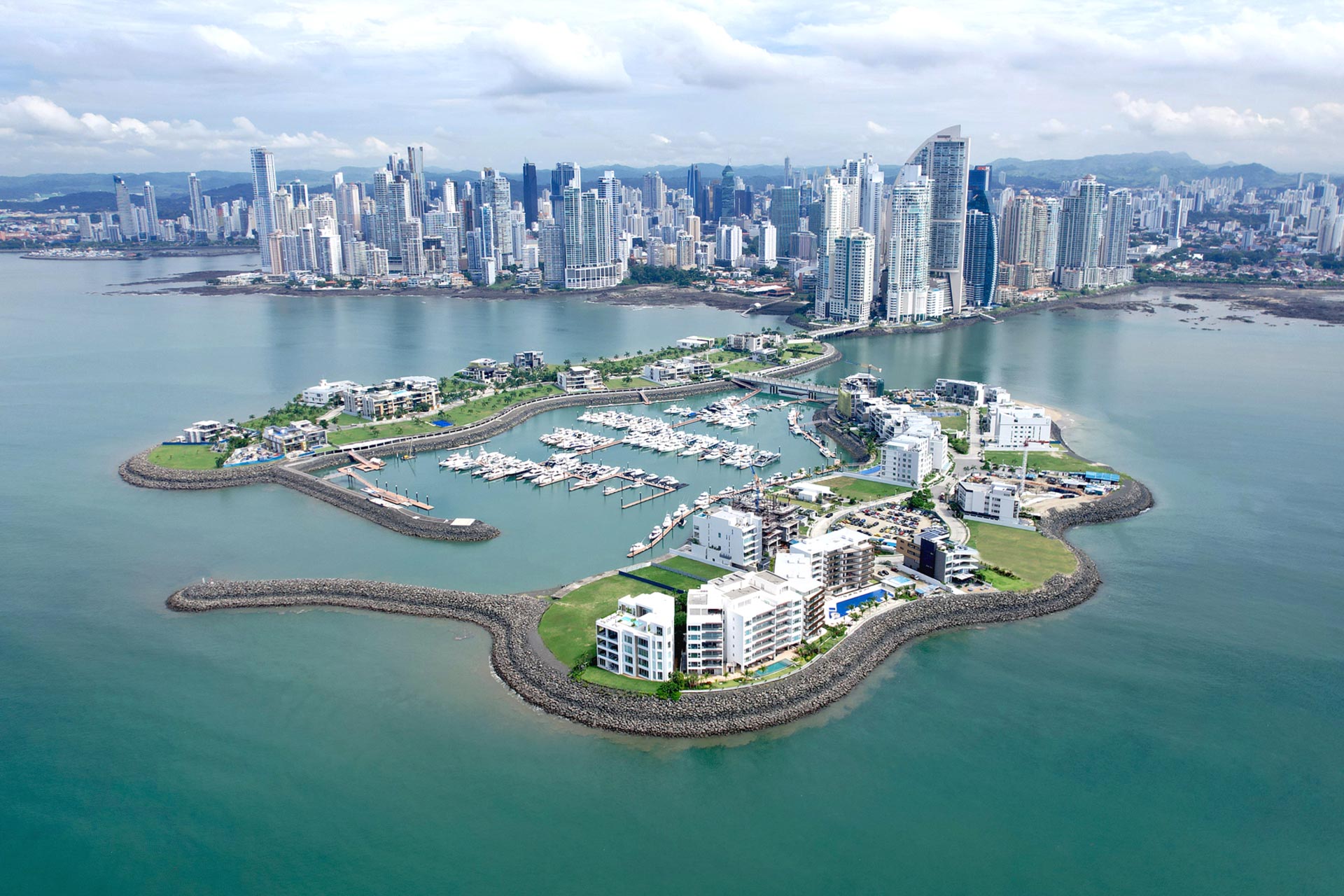
The diverse terrain in Panama makes for diverse climates. Both coastal areas along the Pacific and Caribbean experience a tropical maritime climate, meaning warm and humid at sea level. Cooler temperatures can be enjoyed in mountain areas such as the Boquete, Sora, or El Valle regions. There’s a low risk for major storms, with the country’s location keeping it safe from the worst impacts of hurricanes that form in the Caribbean.
There are two seasons in Panama, the dry season which generally runs between December and April, and the wet season from May through November. Between May and July along the Pacific coast in places like Panama City, showers are frequent in the afternoon but only last an hour or two before the sun is shining again. Even if you’re on the rainier Caribbean side, the sun usually appears in the morning or late afternoon.
Time Zone GMT -5
Panama is in the GMT -5 time zone, which is the same as the Eastern Time Zone, including part or all of 23 states and areas of eastern Canada. That makes it much easier to stay in touch with loved ones back home, especially compared to places in Asia, where you might have to contend with a 12-hour+ time difference.
Easy Access – Hub of the Americas
Thanks to Panama’s geographical location, it’s easy for friends and family to visit or vice versa. It’s a hub for air travel, with regular direct flights between Panama City and all the major U.S. flight hubs. Direct flights to destinations throughout Central America, South America, Canada, and Europe are also available.
Tocumen International Airport is just outside the capital city and was recently expanded. A second terminal has opened, and preparations for a third are already underway. Of course, with the Panama Canal, yachts, boats, ships, and other vessels all pass through on their way between the Pacific and Atlantic oceans.
Wildlife
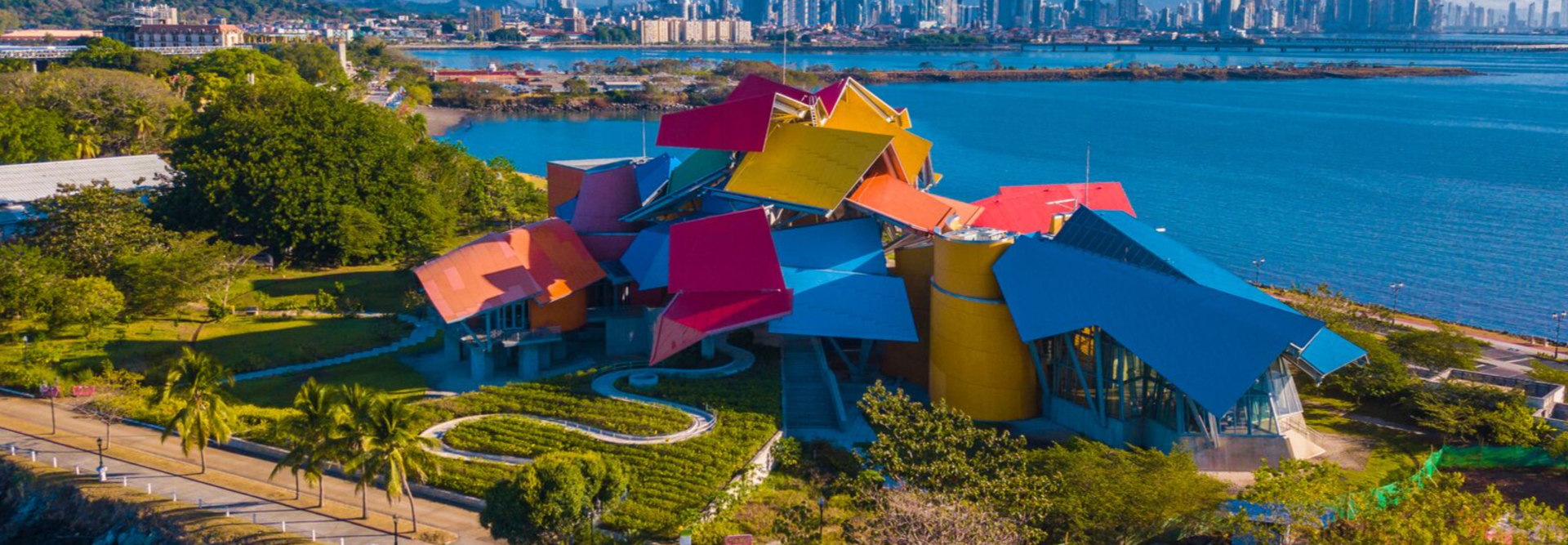
With so much unspoiled terrain, wildlife thrives in Panama, with over 230 mammal species inhabiting the country. That includes many different monkey species like spider monkeys, howler monkeys, capuchins, and tamarins, along with five species of big cats, including jaguars, ocelots, and cougars. Panama is also one of the best places to witness a sloth in the wild, while rare animals like the giant anteater, West Indian manatee, and even the Andean bear have all been documented here.
An underwater paradise awaits in Panama, too, which includes the second-largest coral reef in the eastern Pacific, the Gulf of Chiriqui. Snorkelers and divers can look for more than 800 fish species, 33 species of sharks, and 20 species of cetaceans, including humpback whales that visit the area from July through September.
Standard of Living: First Worldesque in Many Ways
One can live well in Panama and for much less than in many other countries. While it may be considered a third-world country, it’s above third-world standards. Panama City is a major metropolitan city with booming skyscrapers, high-end shopping, and chic restaurants. Nearly anywhere in the country you go, you’ll find high-speed Internet, water that you can drink straight from the tap, reliable power and cell service, and some of the best roads in the region.
From the City Beaches area, which is within easy reach for weekend commutes from Panama City to the Bocas del Toro archipelago in the Caribbean and small towns in the interior like Santa Fe, much of it is anything but Third World.
Sources
https://nearshoreamericas.com/panama-worlds-best-countries-retire/
https://www.statista.com/statistics/1124877/latin-america-caribbean-peace-index-country/